

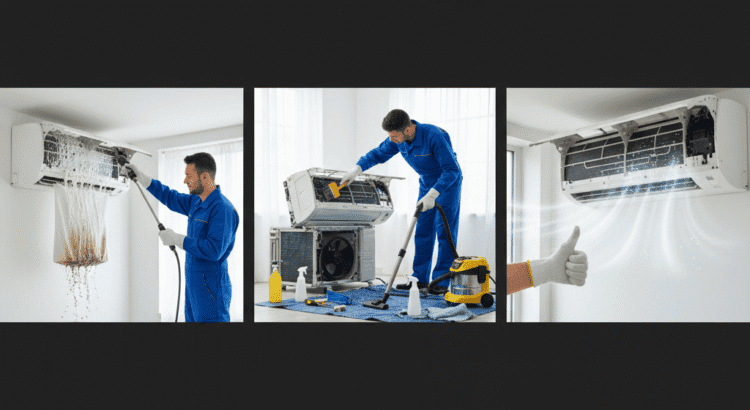
Keeping an air conditioner running well goes beyond comfort. Regular cleaning affects air quality, energy use, and how long the unit lasts. Many homeowners try quick fixes that only touch the visible parts of a system. The most effective approaches reach the filter, drain, evaporator coil, condenser, and fan so the unit breathes and works as intended.
This article lays out practical Aircon Cleaning Methods That Work for common household and small commercial units. You will find step by step DIY options, safe chemical choices, maintenance frequency, and clear signs that it is time to bring in outside help. Read on for tips, examples, and straightforward actions you can take today to keep your aircon in top condition.
Why regular aircon cleaning matters for performance and health
A dirty air conditioner forces the system to run harder. Reduced airflow from blocked filters and coils raises electricity use and shortens compressor life. While every unit behaves differently, routine cleaning can cut energy use by about 5 to 15 percent depending on how neglected the system was.
Beyond energy, a neglected aircon can harbor dust, pollen, pet dander, and mold. These particles get blown into living spaces and can trigger allergies or respiratory irritation. If anyone in the home has asthma or immune concerns, more frequent cleaning and careful treatment of drain lines and coils will lower the risk of airborne contaminants.
Basic Aircon Cleaning Methods That Work for filters and grills
Start with the simplest tasks. Filters and grills are quick to access on most split and window units. Cleaning these regularly gives immediate benefits in airflow and indoor air quality.
- Turn the unit off and remove the cover.
- Vacuum loose dust from the grill and filter using a soft brush attachment.
- Wash washable filters with warm soapy water and let them dry fully before reinstalling.
- For foam or thin filters that are worn or torn, replace rather than wash.
- Wipe the external housing and control panel with a damp cloth to remove dust buildup.
Frequency tip Maintain washable filters every month during heavy use, or every three months during mild seasons.
Deep cleaning the evaporator coils and fins
Evaporator coils sit inside the indoor unit and collect moisture and dust. Cleaning these parts demands more care, but it is one of the most important Aircon Cleaning Methods That Work for efficiency and mold prevention.
Tools and cleaners to use
- Soft coil brush or fin comb for straightening bent fins
- Wet vacuum or shop vac with a soft nozzle
- Foaming coil cleaner that is labeled safe for HVAC use
- Spray bottle with mild detergent for light soil
- Protective gloves and eye protection
Step by step approach
- Switch off power at the breaker for safety.
- Open the indoor housing and gently vacuum loose dust from the coil surface.
- Apply a foam coil cleaner and allow it to dwell so it lifts grime.
- Rinse or vacuum away residue turning the foam into liquid collectable at the drain pan.
- Inspect and clear the drain line to prevent standing water which encourages mold.
- Straighten any bent fins with a fin comb to recover airflow paths.
Note If coils are covered in heavy sludge, or if you notice oil or refrigerant stains, stop and call a trained technician for a safe service.
Cleaning the outdoor condenser and heat exchanger
The outdoor condenser collects dirt, leaves, and debris which restrict airflow. Regular maintenance extends the life of the compressor and keeps the system from overheating.
- Remove large debris by hand and clear vegetation at least 30 to 60 centimeters away to allow airflow.
- Use a soft brush and low pressure water to wash fins from the inside out so debris is pushed away from the coils.
- When cleaning power washers are used, keep pressure low to avoid bending fins or damaging fin coatings.
- Apply fin straightening if you find areas where fins are crushed or blocked.
Tip If the unit is more than five years old and has heavy buildup, a seasonal professional tune up can prevent premature failure.
Drain line and drain pan maintenance to prevent mold
Clogged drain lines cause water to back up and sit in the pan. That standing water becomes a breeding ground for mold and bacteria that are then carried into the indoor air stream.
- Pour a cup of white vinegar down the drain line then flush with warm water. Vinegar helps control biological growth.
- Use a wet vacuum on the outdoor drain termination to pull blockages out from the line.
- Inspect the condensate pan for sludgy deposits. Clean the pan with warm soapy water and rinse well.
- Consider installing a drain line access port if your system lacks one so cleaning is easier next time.
When to use chemicals and which ones are safe
Chemical cleaners can remove scale, oil, and slime that simple water cannot. Select products labeled for HVAC use. Avoid household bleach on coils as it can corrode metal and damage coatings when used improperly.
- Foaming coil cleaners lift and suspend dirt for easier removal and are designed for evaporator coils.
- Biocides specifically made for air conditioning systems control microbial growth in drain pans and on coils.
- Alkaline cleaners remove greasy residues from condenser coils when applied carefully and rinsed thoroughly.
Always read instructions and follow recommended dwell times and rinsing methods. If you are unsure about chemicals or you see evidence of a refrigerant leak one call to a qualified technician is the safe choice.
Safety precautions and tools every DIYer should have
Cleaning an aircon involves electrical parts, water, and sometimes harsh cleaners. Proper preparation lowers risk and avoids damage to the unit.
- Turn off power at the breaker before touching internal components.
- Wear eye protection and gloves when handling cleaners or scrubbing coils.
- Keep electronics and thermostat controls away from water spray.
- Use soft brushes and low pressure water to avoid denting fins or bending coil surfaces.
- Have a small bucket, towels, and a wet vacuum ready to collect runoff.
Signs you should hire a professional and how to choose help
Many maintenance tasks are safe for a confident homeowner. There are clear signals that professional attention is the better choice. If you spot persistent leaks, electrical burning smells, unusually loud noises from the compressor, or if a DIY deep clean does not restore performance, schedule a service call.
For complex work such as refrigerant handling, compressor replacement, or sealed system repairs hire trained technicians who carry proper licensing and insurance. A local company will know area conditions that can affect system health. For reliable service look for providers that publish clear service lists and offer written estimates. If you prefer professional care, consider contacting local professionals for cleaning your aircon who can inspect and service both indoor and outdoor components safely.
What to expect from a professional visit
- A pre service inspection and explanation of findings
- Cleaning of filters, coils, drain lines, and condensate pan
- System tests that confirm airflow, temperatures, and electrical connections are within specification
- Recommendations on replacement parts when wear is found
Maintenance schedule to keep an aircon running longer
Set up a simple calendar to split tasks by frequency. This keeps small issues from becoming major failures and spreads maintenance work into manageable steps.
- Every month during heavy use check and clean washable filters
- Quarterly inspect drain line and clear if necessary
- Every six months vacuum the indoor housing and lightly clean coils where accessible
- Annually have a thorough service that includes outdoor coil cleaning and refrigerant level check
Keeping records of service dates and any parts replaced helps technicians diagnose future issues faster and proves useful when considering warranty claims or unit replacement timelines.
Conclusion summary and next steps to protect comfort and savings
Regular care prevents costly repairs, improves indoor air quality, and keeps your system running closer to its designed efficiency. Use basic cleaning for filters and grills as a first line of defense. When coils, fins, or drain lines need attention follow the safe steps here or schedule a professional visit for a full clean. Track maintenance on a simple calendar so tasks do not pile up. If you are unsure about chemicals or find evidence of leaks and corrosion hiring a trained technician is the sensible move.
Take action now by inspecting filters and the outdoor condenser. If you prefer a professional inspection request a service visit and ask for a written checklist of what will be cleaned and tested. Routine care pays off in reduced energy bills and longer equipment life. Keep your living spaces healthier by staying on top of these Aircon Cleaning Methods That Work and reach out for help when a task goes beyond your comfort level.