

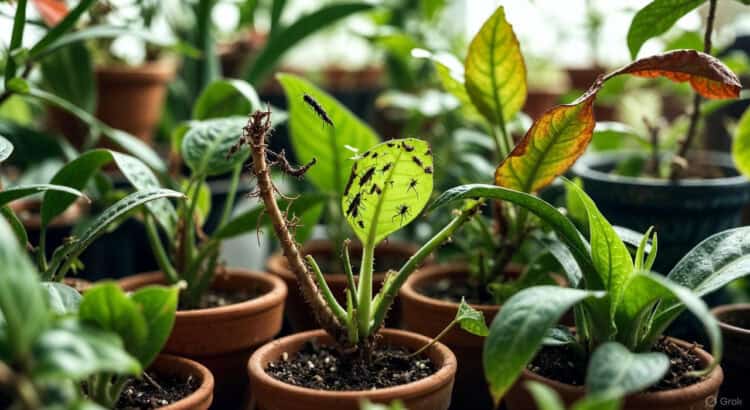
Keeping plants healthy without using harsh chemicals that can harm people, pets, or helpful insects is totally possible for anyone who takes care of plants. Safe pest methods work by lowering pest problems through easy habits, mild treatments, and careful watching so issues get caught early before they spread. This way protects the good stuff in soil, keeps indoor air clean, and helps houseplants and small garden patches stay strong for a long time. If you want your plants to thrive without risky sprays, this approach shows exactly how to do it without stress or damage.
If you like examples and step by step tips this article lays out practical options you can start using today. You will read about prevention and routine care natural and biological treatments how to spot issues early and when limited chemical measures make sense. The aim is threefold reduce pest damage preserve non target species and keep your plants looking healthy with minimal risk.
Why choose safe pest methods for plants
Safe pest methods reduce reliance on broad spectrum pesticides that can harm pollinators soil microbes and beneficial predators. For indoor plants the wrong product can linger in the potting mix or on foliage and affect air quality. By choosing milder approaches you protect people pets and the organisms that keep pests in check.
Another advantage is durability. Repeated use of harsh pesticides often selects for resistant pest populations. When you rotate between prevention monitoring biological controls and spot treatments you lower the chance that a single pest will become uncontrollable. Small consistent steps yield steady improvement over time.
Start with prevention and routine care
Many pest problems begin with stressed plants. Improving basic conditions reduces susceptibility so pests never get a strong foothold. Aim for the following daily and weekly practices.
Soil and watering habits
- Use a well draining potting mix matched to the plant species. Compact or waterlogged soil encourages root rot and fungus gnats.
- Water according to plant needs rather than a fixed schedule. Overwatering often leads to soft foliage that attracts sap sucking insects.
- Repot or refresh the top layer of potting mix when salts accumulate or when plants become root bound.
Cleanliness and quarantine
- Remove old flowers and fallen leaves promptly. Decaying material shelters pests and fungal spores.
- Isolate new additions for at least two weeks while you check for aphids mealybugs scale or mites.
- Wipe down pots rims and saucers. Small beetles and larvae hide in crevices.
Natural treatments that work
When pests appear try mild plant friendly treatments first. These options control many common pests with low toxicity to people and pets when used correctly.
Insecticidal soap and horticultural oils
- Insecticidal soap disrupts soft bodied insects such as aphids whiteflies mealybugs and spider mites. Apply thoroughly to the underside of leaves and repeat every five to seven days until control is achieved.
- Horticultural oils smother eggs and larvae. Use them at recommended dilution rates and avoid treating plants in full sun to prevent leaf burn.
Neem oil and botanical extracts
- Neem oil acts as a contact control and has a mild systemic effect when roots take up treated water. It interferes with pest life cycles so repeated applications can reduce numbers over time.
- Garlic and chili based sprays can repel some insects. Make small test sprays first to check for leaf sensitivity.
For more step by step recipes application timing and troubleshooting consult the YourHomify guide to organic pest control for houseplants and small indoor gardens.
Biological controls for indoor and small outdoor spaces
Bringing beneficial organisms into the system works well in greenhouses in warm climates and in larger indoor plant collections. These options are living tools so they need compatible conditions.
Predatory mites and insects
- Predatory mites feed on pest mites and small scale insects. Release them when pest numbers are low to medium for best results.
- Lady beetles and lacewings eat aphids and other soft pests. They perform best in spaces that do not use broad spectrum sprays.
Nematodes and microbial products
- Beneficial nematodes target soil dwelling grubs and fungus gnat larvae. They require moist soil and should be kept cool until applied.
- Microbial products containing Bacillus thuringiensis target caterpillars and larval stages of specific pests while being gentle on other insects.
Safe chemical options and how to use them sparingly
There are lower toxicity chemical products that have a place when infestations become severe. Use them as a last resort and follow label directions closely. Limited spot treatment is preferable to blanket sprays and repeated full coverage.
When you do use these products target the application to affected leaves or individual pots. Allow time between treatments and rotate modes of action so pests do not develop resistance. Keep people and pets away from treated areas until the product dries or as the label specifies.
Monitoring identification and record keeping
Successful pest management relies on early detection. Spend a few minutes each week checking the undersides of leaves stems and new growth. If you notice sticky residue discolored speckling fine webbing or tiny insects take photos and compare notes with reliable identification guides.
- Keep a simple log of pest sightings including date treatment used and outcome. Over time this record shows patterns such as seasonal spikes or problems tied to watering habits.
- Use sticky traps near problem plants to capture flying adults and to gauge pressure. Color and placement influence what the traps catch.
Common mistakes to avoid
Many gardeners unintentionally prolong pest problems with a few easy to make errors. Watch for these pitfalls and correct them early.
- Waiting until damage is obvious. Many pests reproduce quickly and visible damage appears late in the cycle.
- Spraying at the wrong time of day. Apply sprays in the morning or evening to avoid heat stress and to allow natural predators to move away.
- Mixing products without checking compatibility. Some combinations can harm beneficial organisms or damage foliage.
- Failing to treat nearby infested plants. Pests move between pots and quickly re colonize treated individuals.
Practical examples and quick routines
Here are practical short routines you can use depending on the situation.
- Weekly check routine. Spend five minutes per plant. Look for new growth problems wipe leaves with a damp cloth and rotate plants for airflow.
- Small aphid outbreak routine. Isolate the plant spray with insecticidal soap focusing on colony centers repeat twice at seven day intervals and introduce a handful of predatory insects if the area supports them.
- Fungus gnat routine. Allow surface soil to dry then apply a thin dusting of sand or grit on the soil surface to break the life cycle. Use beneficial nematodes in moist beds for deeper control.
Treatments work best in combination rather than alone. A clean environment good watering habits and regular monitoring reduce the need for any treatment. When you do act choose the mildest effective option and monitor results closely.
Safe pest methods for plants are approachable and effective when you pay attention to plant health and select treatments suited to the pest and the environment. Start with prevention maintain regular checks and use mild products or beneficial organisms before moving to chemical options. Keep records so you can learn which routines work best for your space and plants.
Now is a good moment to take stock of your collection. Set aside one hour this weekend to inspect each plant remove dead material and note any pest activity. Try one new mild treatment or schedule a beneficial release for a problem area. If you want a compact reference to recipes application timing and troubleshooting review the linked guide above. With small consistent actions you can protect your plants people and the small creatures that support healthy ecosystems. Take action today and enjoy the slow steady improvement that comes from careful observation and gentle interventions.