

Homeowners usually ignore sewer pipes until trouble strikes. But how long those pipes last matters a lot when planning home upkeep. Learning how long pipes normally last, what makes them fail, and spotting early warning signs can dodge big headaches and costly fixes. Imagine catching a leak before it floods the whole basement—that kind of knowledge saves serious cash and stress. This info is gold for anyone wanting to keep their home in good shape without surprise disasters waiting underground. Keep reading to find out how to protect your home’s hidden lifelines.
This article lays out realistic expectations for different pipe materials. It also provides practical tips for extending useful life and clear steps to follow when problems arise. Read on for examples, maintenance actions, and replacement options you can use to plan ahead.
Common residential sewer pipe materials and expected lifespans
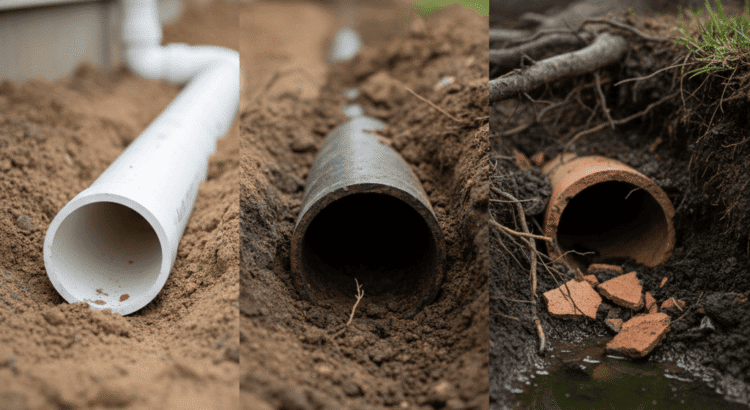
Different materials perform differently over time. Below are typical lifespans based on material and usual conditions observed in the field.
- Vitrified clay 50 to 100 years in stable soil with low root intrusion
- Cast iron 75 to 100 years when interior corrosion is slow and joints remain tight
- PVC 80 to 100 plus years under normal use because the material resists corrosion
- ABS 40 to 50 years though joints and chemical exposure matter
- Galvanized steel 20 to 50 years as internal rust progressively narrows the inside diameter
- Orangeburg also called bituminous fiber can be 10 to 30 years depending on moisture
These ranges are broad because installation quality, soil chemistry, and mechanical stresses influence outcomes. Older neighborhoods often have clay or cast iron while newer construction tends to use PVC.
Primary factors that shorten sewer pipe life
Recognizing what wears pipes out helps homeowners take targeted action. Tree root intrusion, soil movement, poor installation, and aggressive water chemistry top the list.
- Tree roots Roots search for moisture and can infiltrate joints, causing blockages and fractures
- Soil movement Freeze and thaw cycles where applicable or settling from excavation can misalign pipes
- Corrosion Cast iron and galvanized pipes corrode from the inside when pH and oxygen levels cause metal loss
- Mechanical damage Heavy traffic or construction above the line can crack brittle materials
- Poor installation Bad slopes, low quality joints, or improper bedding reduce functional life
Example scenario: A 50 year old clay line in expansive clay soil will likely fail sooner than the same material in stable sandy soil. Likewise, a PVC pipe installed with poor bedding can sag and trap solids even though the material itself is durable.
Early warning signs that indicate replacement may be near
Not all problems require full replacement. Knowing the warning signs helps pinpoint whether repair or replacement is needed.
- Repeated backups in multiple drains at once
- Strong sewage odors in the yard or near the foundation
- Slow drains that do not respond to snaking
- Sudden patches of unusually lush grass which can indicate a leak
- Sinking soil or small depressions above the line
- Persistent root breaches even after cutting
Two drains backing up after heavy rain is often a hint of a mainline problem rather than an isolated trap clog. If you see multiple signs together, plan for a professional inspection.
Inspection methods and how often to check sewer pipes
Regular inspections catch problems early. The two most common methods are camera inspection and pressure or smoke testing.
Camera inspection what it shows and when to use it
Video camera inspection provides a visual record of joints, cracks, intruding roots, bellies, and corrosion. It is the most direct way to assess condition and determine whether spot repair or full replacement is needed. Homeowners should schedule a camera inspection before buying an older home and if there are repeated backups.
Other testing methods and recommended frequency
Smoke tests reveal unseen leaks in service lines and can identify illegal connections. Dye tests help isolate which fixture ties to a problematic line. In most areas a camera inspection every 3 to 5 years is a reasonable cadence for older systems. For newer PVC lines, a check every 7 to 10 years is often sufficient unless a problem appears.
Maintenance tips that extend pipe life and keep systems flowing
Simple habits slow wear and reduce the chance of emergency replacement. These actions are low cost and practical.
- Avoid flushing disposable wipes and grease down sinks. These create persistent clogs
- Maintain trees at a safe distance from the path of the main sewer. Root barriers can help
- Use enzyme based cleaners sparingly to reduce organic buildup. Check product labels for compatibility
- Schedule professional hydro jetting when slow flow starts. It clears roots and fat deposits better than snaking
- Inspect visible cleanouts annually to confirm accessibility and absence of leaks
Example tip: In yards with mature trees, a yearly root maintenance plan combined with strategic pruning can add many years to a mainline. When contractors run a camera and find minor root invasion, targeted root removal plus a protective wrap can postpone full replacement.
Replacement options and approximate costs
When replacement is unavoidable there are proven options. The right choice depends on the length, access, soil, and local code.
- Spot repair Replace a short section where damage is localized. Lower cost when damage is small
- Trenchless relining Also called cured in place pipe or CIPP creates a new pipe inside the old without extensive digging
- Pipe bursting Inserts a new pipe and breaks the old one outward. Good when access is restricted but line runs are long
- Open trench replacement Traditional full replacement with excavation. Most invasive but sometimes required for severe collapses
Cost ranges vary widely by region and job complexity. For a simple spot repair expect a few hundred to a few thousand dollars. Trenchless relining for an average single family home mainline often ranges from several thousand to over ten thousand dollars. Full open trench replacement is typically higher. These numbers depend on pipe length, landscaping, surface restoration, and permit costs.
Planning for replacement and selecting a contractor
Replace a sewer line on a schedule that matches the observed rate of deterioration. If inspections show rapid wall loss or frequent failures plan for action within one to three years. For gradual issues like minor root intrusion a planned relining can be scheduled with minimal disruption.
When choosing a contractor get a written scope that lists work steps permits and materials. Ask for camera footage before and after work. Compare at least two bids and confirm local references. If a trenchless option is proposed ask for details on expected service life and warranty.
When you want more details about life expectancy for specific materials and how to decide between repair and replacement check a reliable local guide. Learn More
In summary lifespan of residential sewer pipes depends on material installation environment and maintenance. Some materials like PVC and cast iron can last many decades while others such as Orangeburg and galvanized steel tend to fail sooner. Regular inspections using cameras and timely maintenance such as hydro jetting and root control delay the need for replacement. If multiple warning signs appear schedule a professional inspection and obtain clear written estimates. Planning ahead reduces surprise disruptions and gives you options from spot repair to trenchless relining to full replacement. If you have an older home or notice backups it is wise to act promptly. A careful inspection followed by an informed decision protects your home value and reduces long term costs. Contact a trusted local plumbing professional to get a thorough evaluation and a repair plan that fits your situation.